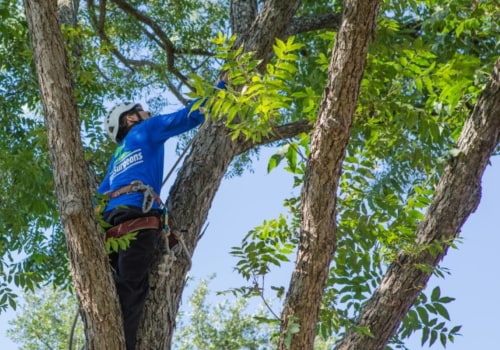
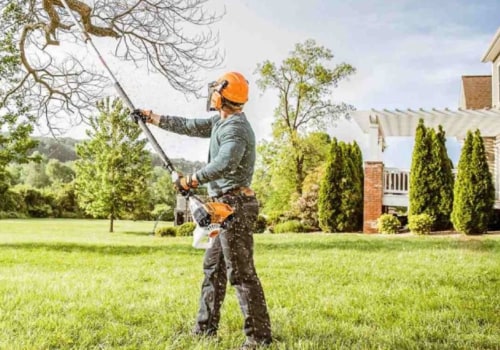
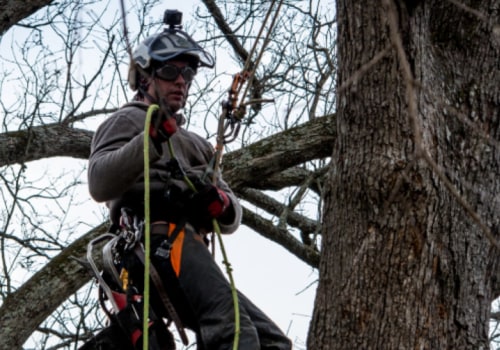
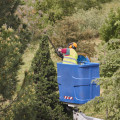
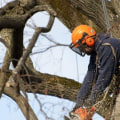
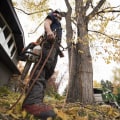
Arborists in Texas often operate across extremely large service areas that include urban neighborhoods, rural properties, commercial developments, and municipal landscapes. Unlike smaller local operations that may work within a limited geographic radius, many Texas arborists travel between multiple counties and cities to handle tree removal, storm cleanup, pruning, disease management, and emergency response services. Because of the state’s size and varying environmental conditions, equipment transfers become a critical part of maintaining efficient operations. Crews frequently move chainsaws, stump grinders, bucket trucks, wood chippers, climbing gear, safety equipment, and hauling trailers between job sites that may be several hours apart. These logistical challenges require careful planning to ensure crews arrive with the correct tools while minimizing downtime and transportation costs. Arborists understand that delays caused by missing or improperly scheduled equipment can disrupt project timelines and affect customer satisfaction, particularly during storm seasons when emergency requests increase significantly.
Texas weather also creates unique scheduling pressures for arborists. Severe storms, drought conditions, and high winds can suddenly shift demand from routine maintenance work to urgent emergency response services. Companies often need to reassign crews and relocate equipment quickly from one service region to another depending on weather-related damage. This requires dispatch systems that track vehicle locations, equipment availability, fuel needs, and crew schedules in real time. Larger arborist companies frequently divide operations into regional zones while maintaining centralized coordination to ensure resources can be redistributed efficiently whenever necessary. Equipment staging yards are strategically placed throughout service territories so trucks and heavy machinery can be deployed quickly without requiring excessively long travel times from headquarters.
Equipment Logistics and Scheduling Strategies
Managing equipment transfers involves far more than simply transporting tools between locations. Arborists must account for maintenance schedules, transportation regulations, storage security, and job-specific requirements before dispatching crews. Bucket trucks and wood chippers, for example, require routine inspections and servicing to remain safe and operational. Companies therefore coordinate maintenance windows carefully so equipment remains available during high-demand periods. Many arborists also maintain backup equipment inventories in case machinery breaks down while crews are working far from their primary office locations.
Technology has become increasingly important in helping Texas arborists manage these logistical demands. GPS tracking systems, scheduling software, and digital dispatch platforms allow companies to monitor equipment movement and optimize routing between service areas. Instead of returning every vehicle to a central location after each job, crews may transition directly to nearby projects based on equipment compatibility and travel efficiency. This reduces fuel costs and improves response times while maximizing the productivity of both workers and machinery. Some companies also rely on temporary storage yards near large projects to reduce daily transportation requirements for heavy equipment and materials.
During large commercial or municipal projects, arborists occasionally coordinate with transportation specialists or regional logistics providers to handle oversized equipment transfers safely. Operations involving cranes, multiple trailers, or large-scale debris hauling may require additional transportation planning to comply with local road regulations and scheduling restrictions. In some situations, companies may even collaborate with moving companies in Round Rock TX when managing complex transfers involving office equipment, operational materials, or temporary staging during facility relocations and regional expansion efforts. These partnerships help arborists maintain organized operations while allowing crews to focus on specialized tree care services rather than transportation coordination alone.
Adapting to Growth and Expanding Service Demands
As Texas cities and suburban areas continue growing, arborists are adapting their operations to meet increasing demand for residential, commercial, and municipal tree care services. Urban development projects often require tree preservation planning, large-scale land clearing, and ongoing maintenance programs that span multiple locations simultaneously. This growth has encouraged arborist companies to invest more heavily in fleet management systems, regional storage facilities, and scalable operational strategies that support larger service territories.
The ability to efficiently transfer equipment between large service areas has become a major competitive advantage within the industry. Companies that successfully coordinate logistics can respond faster to emergencies, complete projects more efficiently, and reduce costly delays associated with equipment shortages or transportation problems. Arborists throughout Texas recognize that operational flexibility is just as important as technical expertise when serving such a vast and rapidly developing region. By combining strategic planning, technology integration, and coordinated transportation systems, these professionals continue adapting to the evolving demands of tree care management across the state’s diverse landscapes and expanding communities.